Build your next-generation applications with the NoSQL database that has proven high performance, linear scalability and zero downtime across on-premises, hybrid, and multi-cloud environments.
DATASTAX FOR DEVELOPERS
Learn How to Succeed with Apache Cassandra™



What is Cloud Native?
Learn how NoSQL, Apache Cassandra, and DataStax enable cloud-native data.

What is Cassandra?
Understand Cassandra’s origins, features, benefits, and future possibilities.

Tutorials, documentation and learning materials to get started on the Astra DB free plan, no credit card required
Get StartedBuild Your Skills
Create even more powerful Cassandra applications with these features and integrations

Cassandra and Kafka
Learn how these complementary technologies can help you build scalable microservice applications.
Learn more
Cassandra on Kubernetes
Orchestrate your data infrastructure as simply as you orchestrate your services. We’ll show you how.
Learn more
Cassandra and Spring Framework
Harness the richness of the Spring ecosystem with the power of Cassandra.
Learn more
Data Modeling
Succeed with Cassandra! Creating the data model may be your most important design decision.
Learn more
Indexing in Cassandra
Create powerful (SAI) Storage Attached Indexes to add flexibility to your queries.
Learn more
What's New in Cassandra 4.0?
Learn about the new features and extensive performance improvements you will experience with Apache Cassandra™ 4.0
Learn more
Zero Downtime Migration
Learn how to migrate your client applications to a new cluster without downtime or data loss with the ZDM Proxy tool
Learn moreHands-on Learning Series
Get up to speed on Cassandra quickly with these free online courses.

Cassandra Fundamentals
Learn fundamental concepts about Cassandra and Cassandra Query Language (CQL) through hands-on labs.
Learn more
Data Modeling By Example
Learn how to create efficient and scalable Cassandra data models for IoT, e-commerce, finance, and more.
Learn more
Cassandra Operations in Kubernetes
Level up your skills to run Cassandra successfully as part of cloud-native deployments with Kubernetes.
Learn moreWhat’s New in Cassandra 4.0?
Learn about the new features and extensive performance improvements you will experience with Apache Cassandra™ 4.0
Learn moreTraining and Certification /dev

DataStax Academy
The place for users of Apache Cassandra to develop and enhance their skills.
Start Learning
DataStax Certifications
Earn your credentials as a Casandra Certified Developer or Administrator.
Get Certified
Subscribe to the Developer Newsletter
Stargate Data APIs
Access your Cassandra data via these flexible APIs and jumpstart your application development.

Stargate Native CQL
Stargate coordinator nodes handle native driver connections, improving performance and operator control for Apache Cassandra clusters by separating coordinator nodes from storage nodes.
Learn More
Stargate gRPC API
Go Driverless with Stargate’s high-performance gRPC. Experience native driver performance over HTTP(S)/2 for your Rust, GoLang, NodeJS and Java apps, or generate your own client.
Learn More
Stargate GraphQL API
Write flexible and performant Cassandra queries in GraphQL to access only the data your applications need.
Learn more
Stargate CQL over REST API
Serve RESTful APIs automatically from any Cassandra database and start accessing your data via simple CQL operations over HTTP.
Learn more
Stargate JSON/REST Document API
Save and search schemaless JSON documents in Cassandra using the Document API, without defining a schema upfront.
Learn moreGet Things Done
The resources you need to make it happen.





More Resources

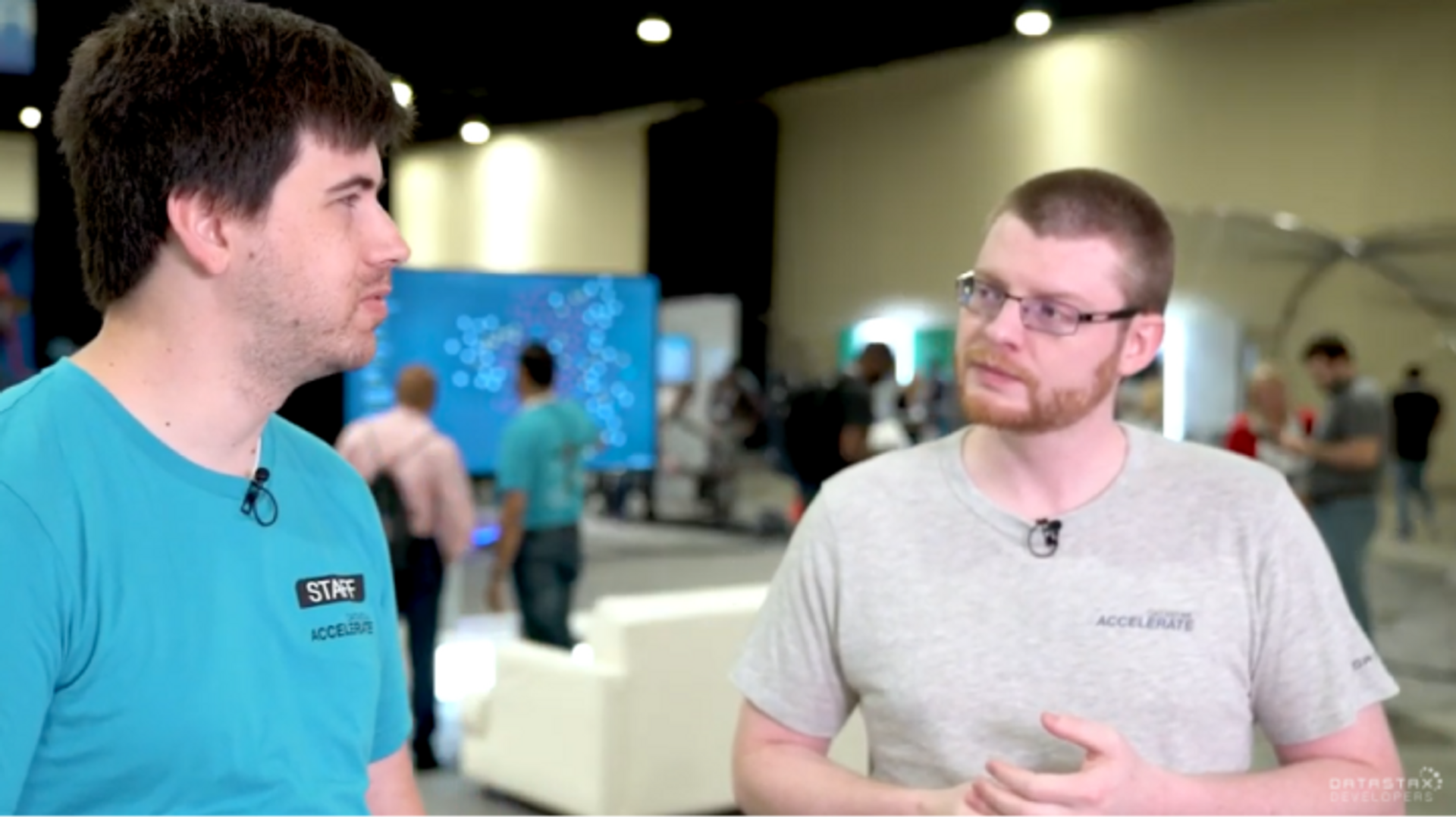
Building CICD Pipelines in the Modern Age with Christopher…
Many DSE users have very long upgrade cycles due to time and complexity concerns. Using the CICD…
Listen Now
Adding and removing data in Astra tables
In the last post, you used the DataStax Astra API to generate data for our Better Botz database. When…
Read More
Online Apache Cassandra™ Developer Workshop
Come and see the true power of Apache Cassandra™ at one of our free online workshops! From the…
Register Now